Holistic Students Well-being Program
(Mental Healthcare for Government School Students and Prevention of Suicides)
THE PROBLEM
The ugly side of City Beautiful : According to NCRB report, Chandigarh recorded 409 suicide deaths in 2023, translating into a suicide rate of 28.7 per lakh population on — more than double the national average of 12.4.
• An estimated 13,000 students die every year by suicide in India, making up 7.6% of the country’s total suicide deaths.
• 7 students in Chandigarh have died by suicide in 2 years 2024 and 2025
Reports from 2025 include the following incidents:
• In October 2025, a Class X girl died by suicide in Kishangarh village, leaving behind a note for her parents. She had reportedly been undergoing treatment for depression and anxiety.
• In October 2025, a Class IX boy died by suicide at his home in Sector 19, reportedly after receiving a call from his school about low marks in two subjects.
• In September 2025, a Class XII student in Khuda Ali Sher died by suicide on his birthday due to academic pressure.
• In March 2025, a 17-year-old Class XI student of GSSS-21 died by suicide due to a social media controversy involving accusations against teachers.
Reported incidents in and around Chandigarh in 2024 include:
• In March 2024, A Class 11 student of a government school in Chandigarh reportedly died by suicide at his home, leaving a note about social media controversy and mental health issues.
• In July, a Class 12 student reportedly jumped to her death from an 11th-floor flat.
• In September 2024, A Class 12 student committed suicide in Manimajra.
For every one student who commits suicide, there would be 100 others, suffering depression and thinking of suicide. Mental health problem is a silent epidemic.
STEPS TAKEN TOWARDS EVOLVING A REMEDIAL PLAN
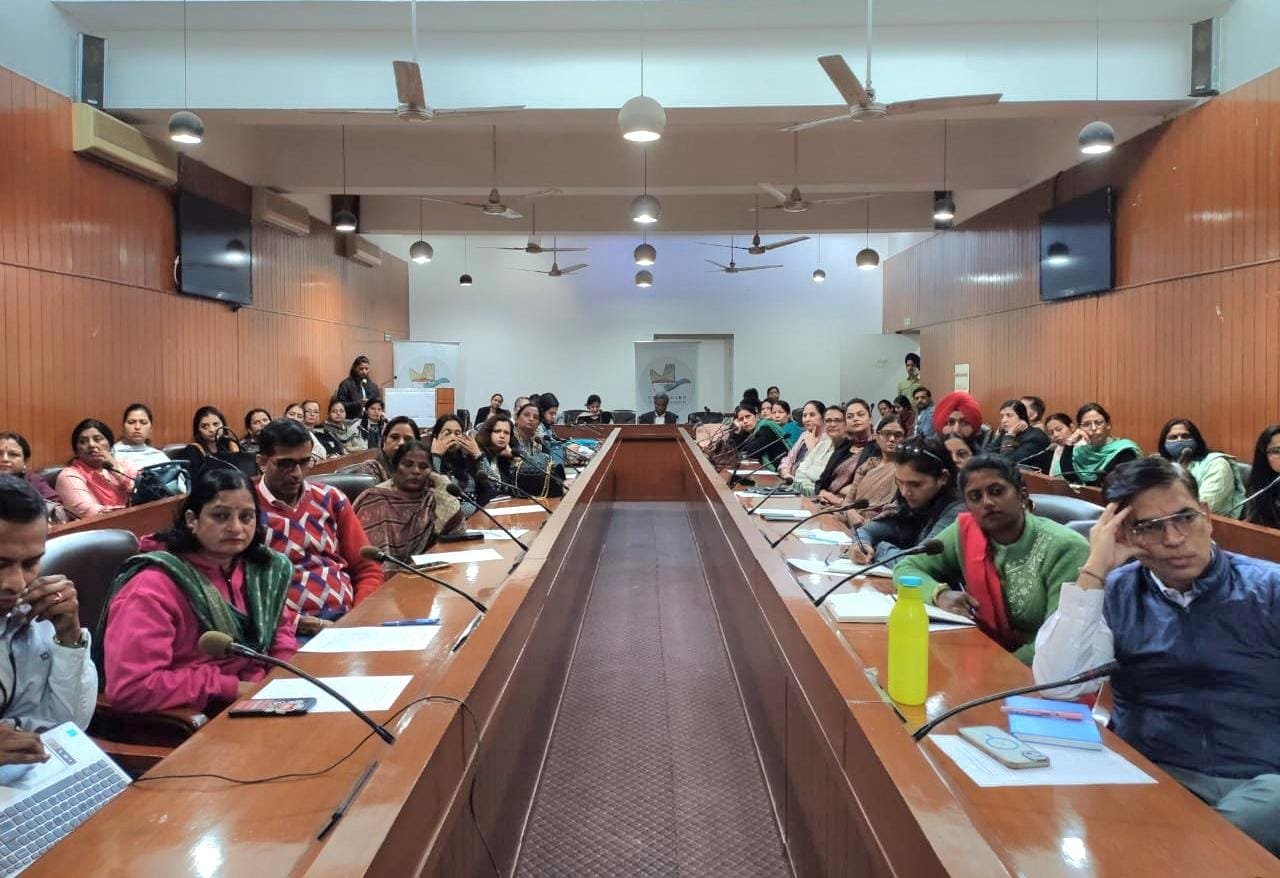
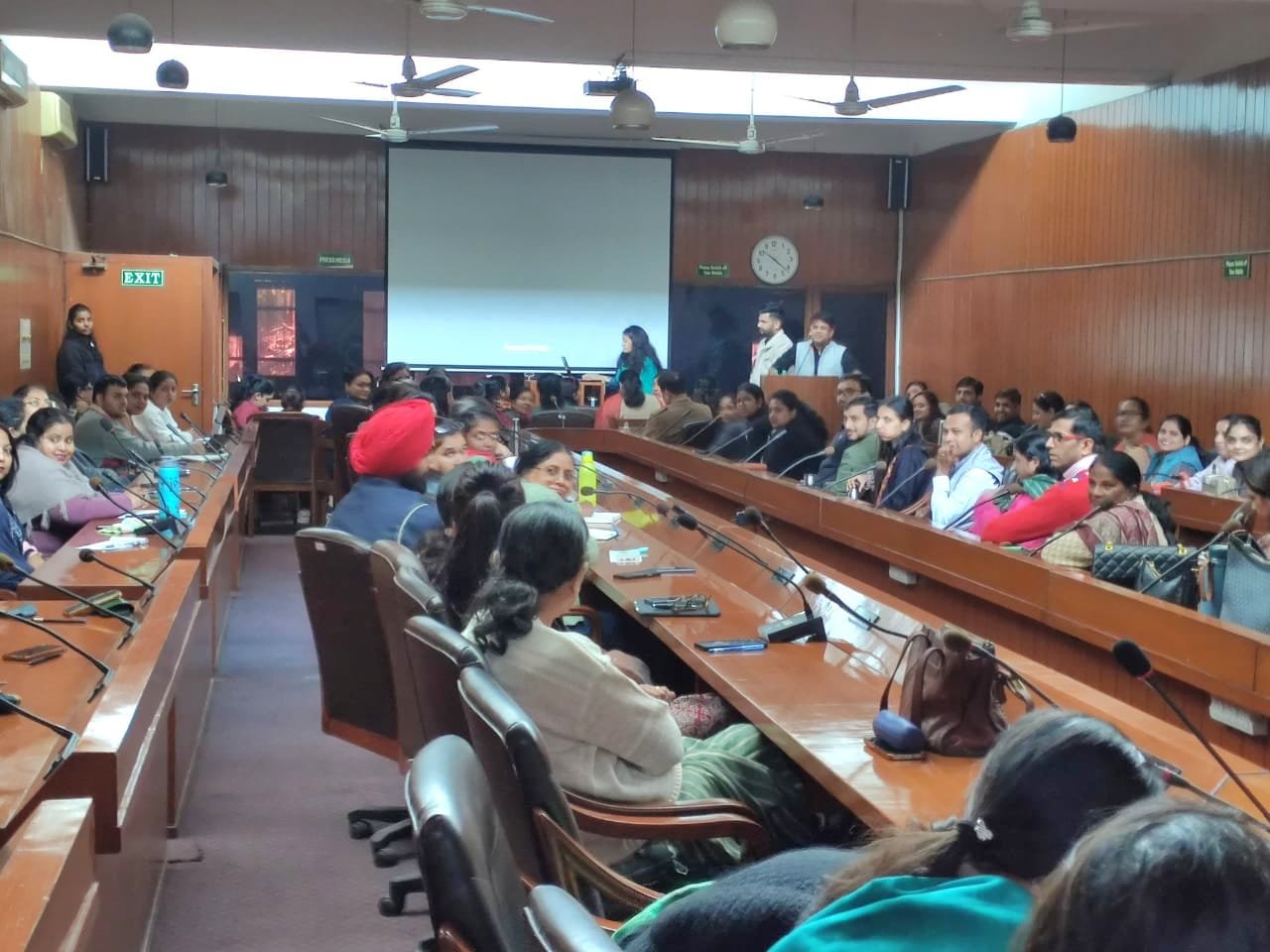
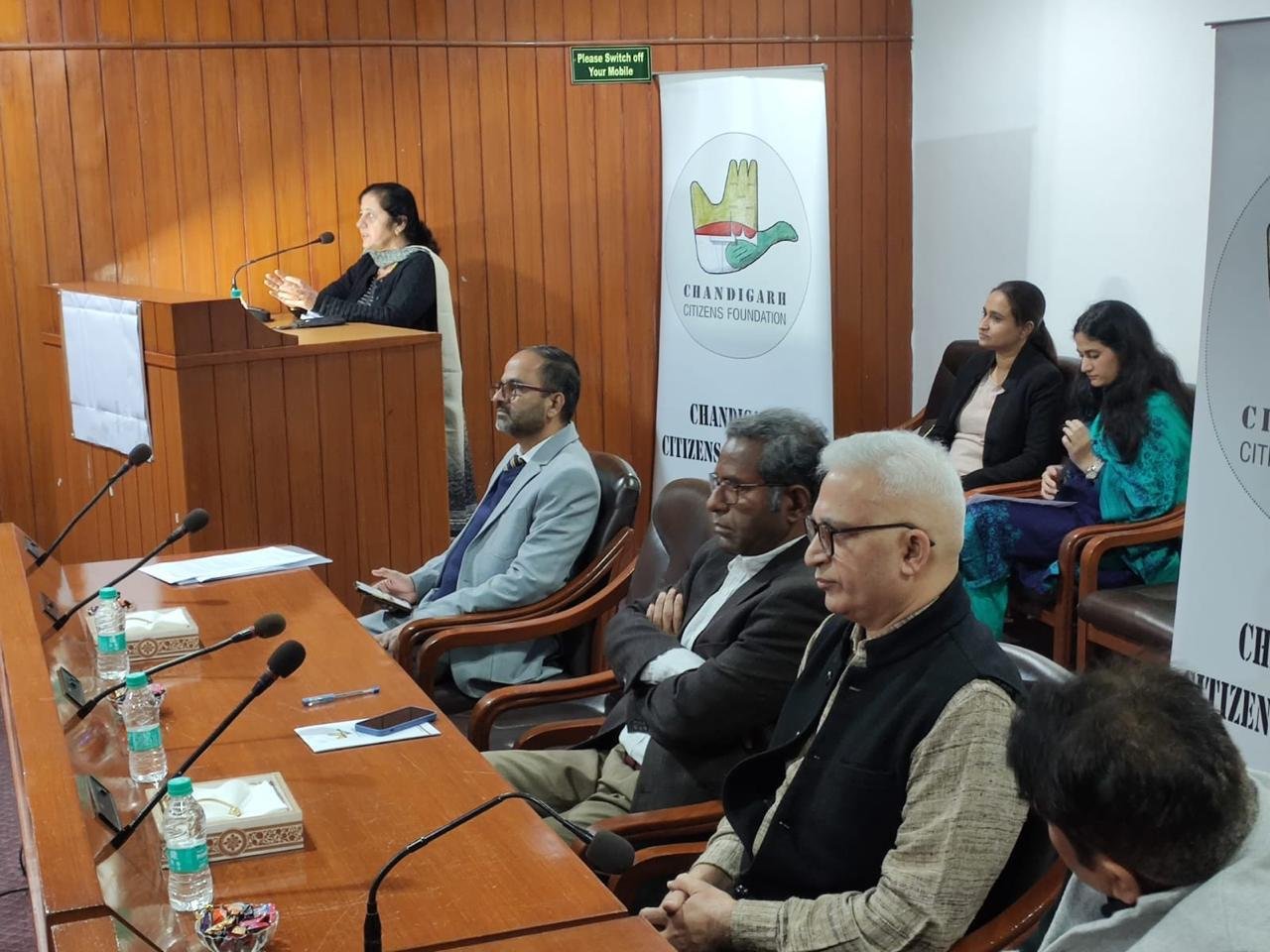
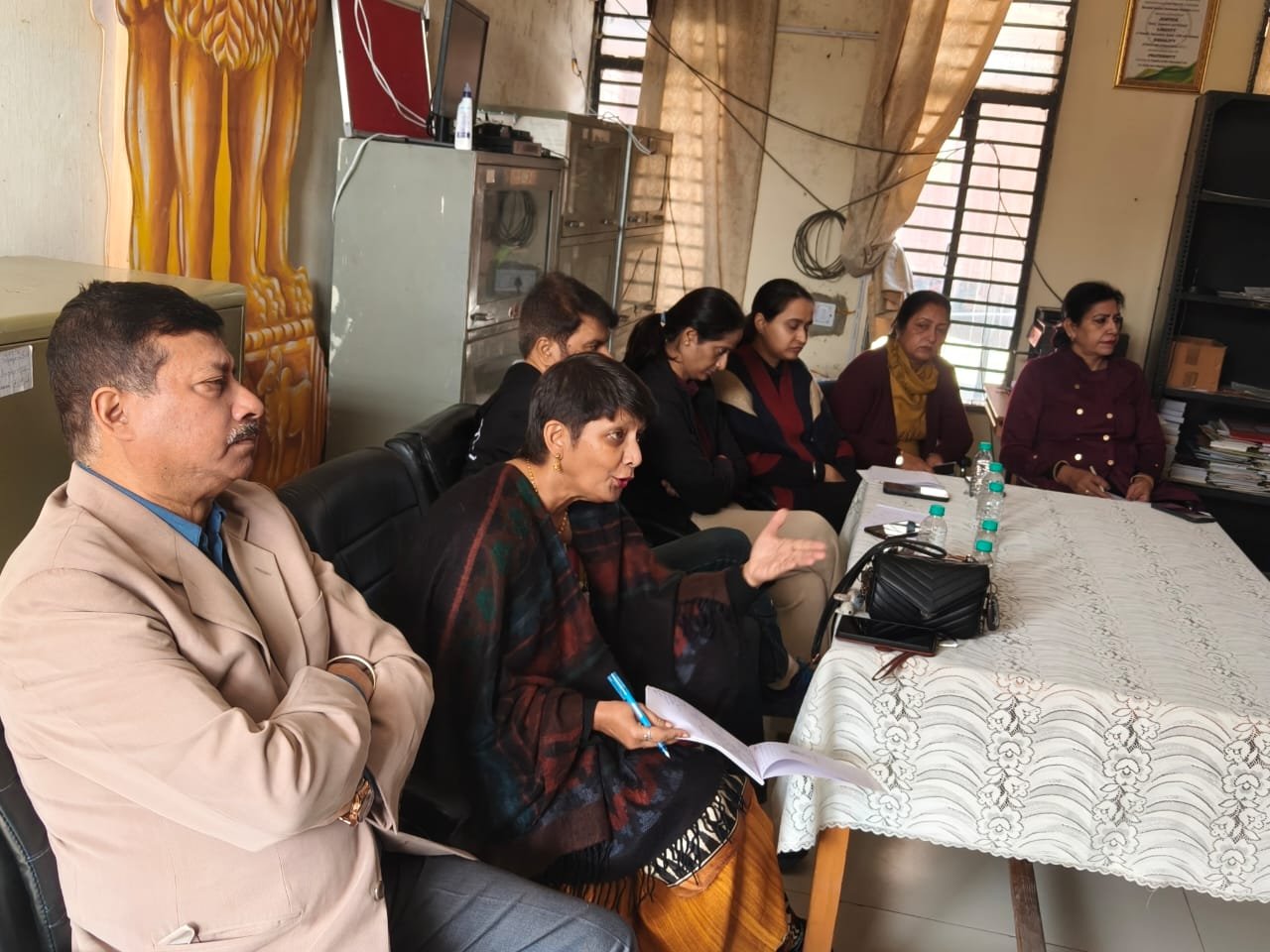
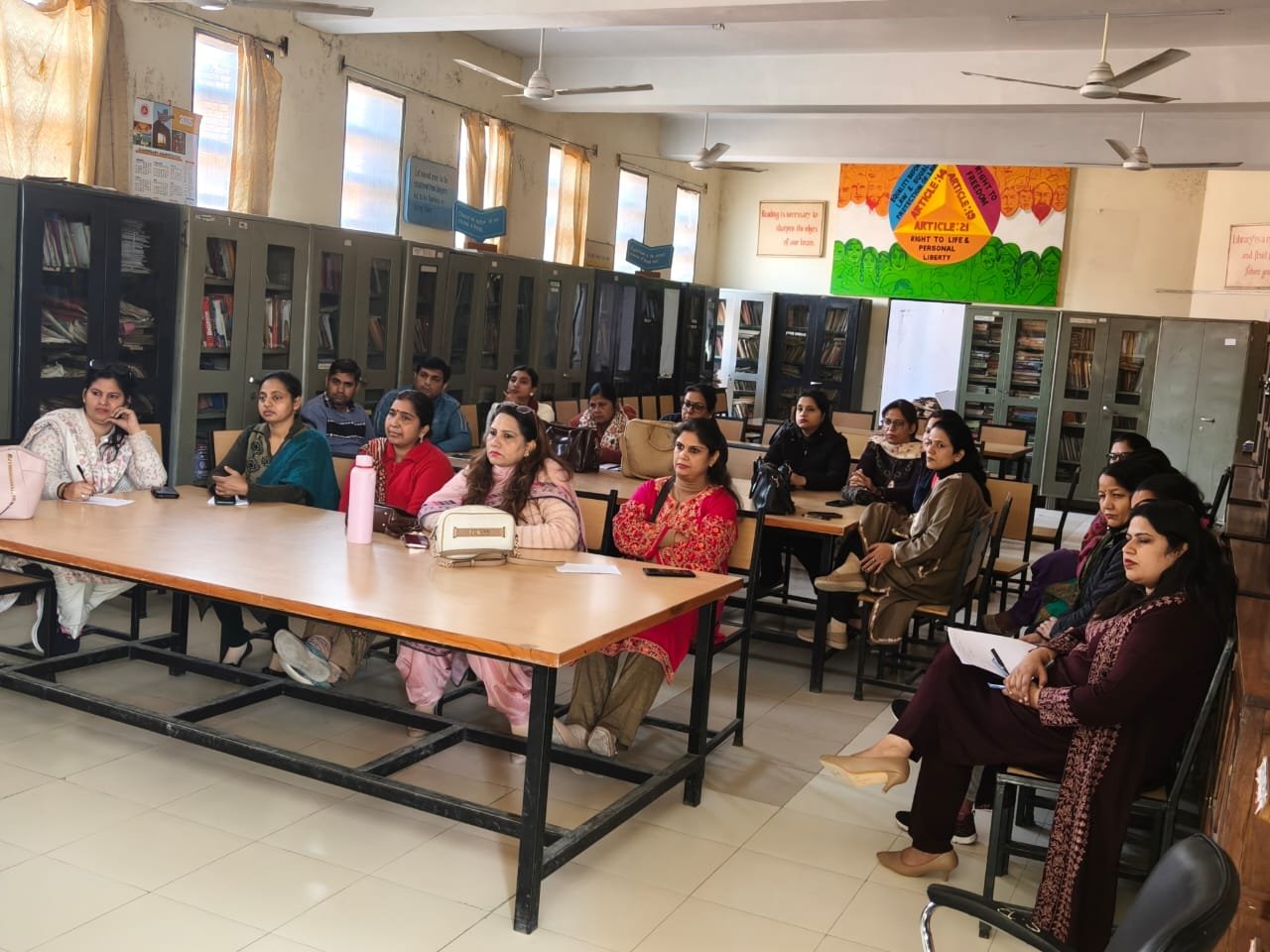
• Under the aegis of Chandigarh Citizens Foundation on a discussion and orientation on workshop on 29.11.25 was conducted by Senior mental health professionals Dr Ajeet Sidana of HOD, Psychiatry GMCH and Dr Krishan Kumar, PGIMER, for 70 Govt school teachers and counsellors.
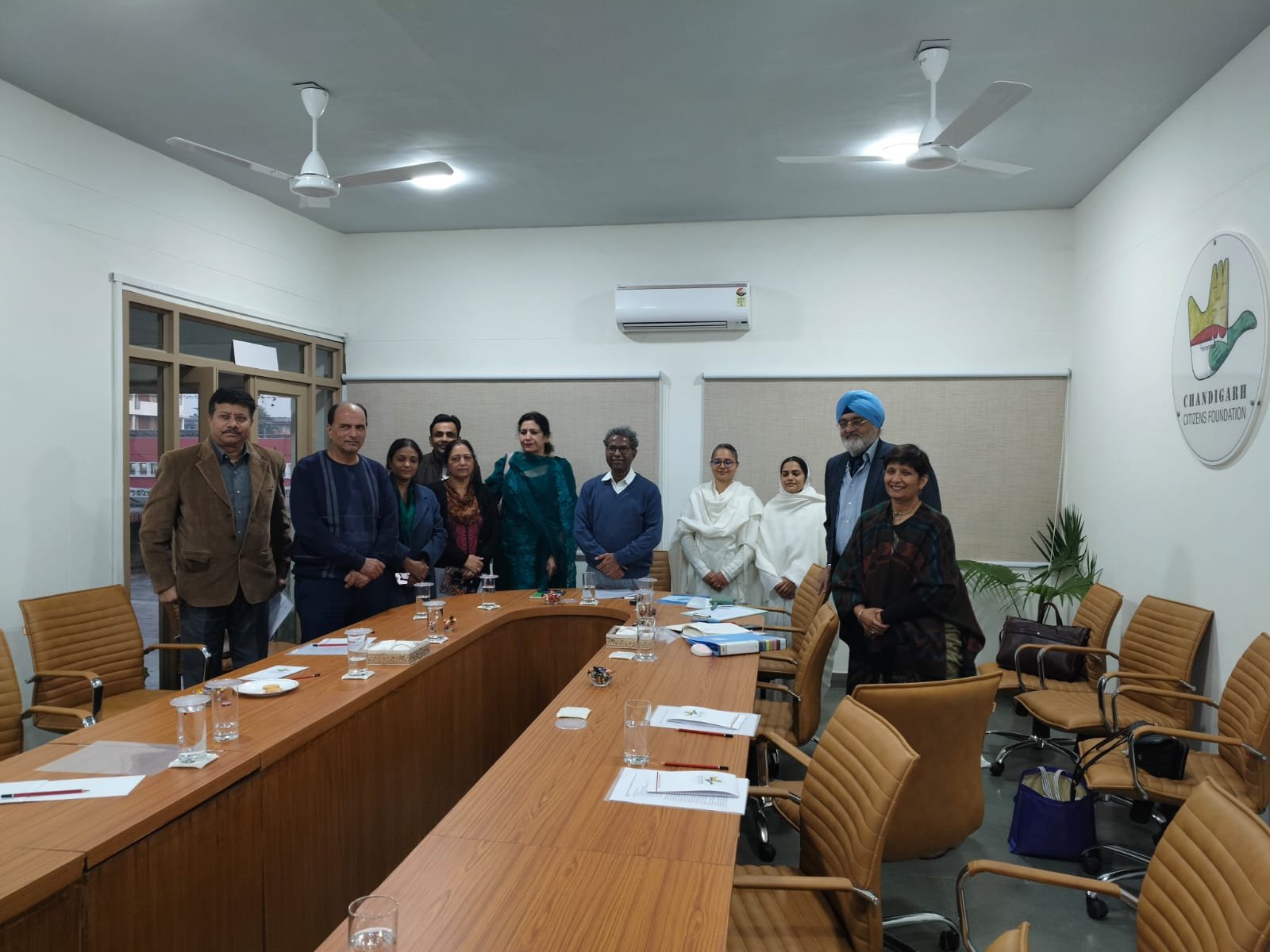
• Subsequently a special brainstorming session was held by the medical professionals on 3rd Dec, with 20 senior counsellors.
• Major areas of mental health concerns expressed:
1. Abuse (sexual, physical, emotional).
2. Neglect
3. Parental mental illness
4. Parental separation
5. Exposure to violence
6. Substance abuse
7. Low socio-economic status
8. Bullying
9. Behavioural Screen time addiction
10. Relationships
11. Exam, career anxiety – Parental/Self-expectation
12. Domestic violence
13. Self- image and eating disorders
STATUS IN SCHOOLS
• There are 111 Govt Schools, 87 Counsellors, about 60 Yoga Instructors, 118 special educators
• 87 Counsellors in 20 School clusters with 5/6 schools in each cluster
• Yoga instructors are employed by Health Dept and deployment in schools is done by sec 23 yoga college
• 1 to 2 Physical education teachers in each school
• 1 teacher in every school is nominated as School Health Ambassador
• 4 students are nominated as Health messengers
• There is a prescribed Schools Health and Wellness Program for schools prescribed by Ministry of Health Ayushman Bharat and also an App for reporting
• Counsellors lack training, orientation, knowledge and skills to handle mental healthcare of students; need motivation and training.
• There is no structured content, syllabus on mental healthcare and they are not trained in that to take class sessions. They take 3 to 4 classes everyday mostly as adjustment/substitute classes
PROPOSED PLAN OF ACTION
• Pilot project to be done in 7 selected schools, for class 7,8,9 and 11th std students
Project Components
1. Intensive Sensitization Training workshop:
a) Principals
b) Class Teachers- 20 class teachers (of class 7,8,9,11)x5 schools-100 class teachers
c) Counsellors – 87 counsellors covering all 111 schools
- Sensitization workshop to be conducted by mental health professional (MHP) team led Dr Sidana HOD, Psychiatry GMCH and Dr Krishan Kumar, Associate Prof psychology PGIMER. Course content to be developed by the MHP.
2. Special Classical Yoga classes
• Counselling, psychological support, and school-based programmes are invaluable, but they are not sufficient on their own. Children today need practical tools that help them feel, regulate, and transform their inner experiences.
• Yoga does not replace counselling; it strengthens children from within so that all other interventions work more effectively.
• In the 5 selected pilot schools, for class 7,8,9 and 11 students for 3 sections each.
About 540 students.
- Benefits for Students
Physiological Benefits:
1. Better Sleep
2. Improved Energies
3. Stronger Immunity
4. Enhanced respiratory and cardiovascular efficiency
Cognitive and Emotional Benefits:
1. Increased focus, memory and attention
2. Greater emotional balance
3. Reduced anxiety and mental tension
4. Be er learning efficiency and clarity
5. Improved decision making and interpersonal skills - Special Yoga classes for Counsellors
- Special Online Yoga classes for teachers focusing on:
•Stress reduction.
• Relieving physical strain.
• Improving posture and voice capacity.
• Reducing burnout.
• Supporting a wellness-positive school culture.
3. Holistic Students Well-being Programs (HSWP)
• In two pilot schools – School 6 and School 7
• HSWP is a comprehensive activity-based preventive, empowering and transformative program, focusing on the balanced development of mind, body, intellect and character, aimed at nurturing emotionally healthy, value-oriented and confident youth and is designed to seamlessly integrate into existing school structures without disrupting academic schedules.
- Games as a Major Differentiator – Uniquely integrating meaningful, engaging games as a core part of the student experience.
• What sets this program apart is that students are first introduced to the space through simple, lively, and highly engaging games.
• These games are a significant and intentional part of the program. They create an atmosphere where students feel free, joyful, alert, and fully present—an ideal foundation for learning and receiving yogic practices.
HOLISTIC STUDENTS WELL-BEING PROGRAMS (HSWP)
Vision
To nurture emotionally strong, value-driven, self-aware and socially responsible young
learners through a structured, holistic well-being program.
Core Objectives
• Improve students’ emotional and mental well-being
• Enhance concentration, self-discipline and resilience
• Develop positive thinking, empathy and ethical values
• Encourage creativity, teamwork and leadership
• Promote responsible digital behaviour, healthy lifestyle and civic sense
The curriculum is designed on a Horizontal–Vertical Integration Model:
A. Horizontals –Themes
• Twelve core themes
1. Self-Awareness & Identity
2. Power of Thoughts & Emotions
3. Digital Discipline
4. Nutrition & Health
5. Relationships – Family & Friends
6. Values & Character Building
7. Environment & Sustainability
8. Nation & Social Responsibility
9. Time Management & Study Skills
10. Leadership & Teamwork
11. Creativity & Innovation
12. Reflection, Growth & Future Goals
B. Verticals – Each theme is delivered through activity based experiential verticals:
A. Music & Sound Therapy (not music classes but music therapies)
B. Creative and Movement Meditation
C. Healing Arts & Creative Expression (Also includes performing art)
D. Literature, Storytelling & Reading Circles
E. Sports, Yoga & Mind–Body Practices
F. Motivational Talk
Project-Based Community Learning
Students will participate in age-appropriate, supervised projects such as:
A. Environmental initiatives (plantation, kitchen gardening, waste management)
B. Family responsibility & self-discipline tasks
C. Community service & elderly care initiatives
D. Nutrition & health tracking
E. Nation-focused awareness activities
These projects strengthen real-life application, empathy and social responsibility.
*WELLNESS ASSEMBLIES – MOVE, LAUGH, CONNECT*
PURPOSE
To introduce structured, movement based wellness assemblies to enhance mental wellbeing, reduce stress, and improve the Happiness Index among students and staff across Chandigarh schools.
PROPOSAL SUMMARY
The initiative involves conducting 20–30 minute wellness assemblies on a fortnightly basis (recommended) Activities will rotate between Bhangra, Zumba, Aerobics, Group Games, and Mindful Movement, ensuring full participation of students and staff.
EXPECTED OUTCOMES
• Improvement in mood and happiness
• Increased student engagement and energy levels
• Reduction in stress-related behaviours
• Quarterly assessment through a short three-item survey
PILOT PLAN
Three month pilot in all schools is proposed. Each school will nominate 2 teacher facilitators for basic training. Baseline and post-pilot survey scores will be compared to measure impact.
RESOURCES REQUIRED
• Teacher facilitators (trained)/ volunteers
• Existing school PA/sound system
• Open safe space for movement/assembly ground
• Basic first-aid availability
IMPLEMENTATION STAGES
1. Pilot (Weeks 1–12)
2. Evaluation (Week 13)
3. Citywide Wellness Day (Quarterly)
SUGGESTED ACTIVITIES ROTATION
• Bhangra
• Zumba
• Aerobics & Stretch
• Group Games
• Mindful Movement
Coordinator – To be nominated by the school Wellness Programme Cell.
*Proposal prepared by Mrs.Gurpreet kaur* Lecturer, UT Education Department
- Monitoring, Evaluation & Reporting
• Baseline and end-line well-being indicators
• Monthly activity reports by facilitators
• Feedback from students, teachers and parents
• Periodic review meetings with school authorities
• A consolidated annual impact report will be shared with the Chandigarh Education Department.
Gallery